

A Building Automation System monitors equipment, but it doesn't diagnose inefficiency. A BAS can show "normal" operation while a building quietly wastes thousands of dollars a year on issues like simultaneous heating and cooling, sensor drift, excessive outside air, and control sequence degradation — none of which typically trigger an alarm. Catching these problems requires going beyond the dashboard, through building analytics, Testing and Balancing, and Monitoring-Based Commissioning (MBCx).
Your BAS Is Talking. The Question Is Whether Anyone Is Listening.
Most commercial buildings today have a Building Automation System (BAS). These systems monitor temperatures, pressures, schedules, alarms, and equipment operation across an entire facility.
Facility teams often assume that if the BAS shows everything operating normally, the building must be performing efficiently. Unfortunately, that isn't always true.
Many buildings consume significantly more energy than necessary while still appearing "normal" on the BAS dashboard. Occupants may complain about comfort. Equipment may cycle excessively. Utility costs may keep rising. Yet no alarms trigger and no obvious failures appear.
The reality is that most building problems don't happen because equipment fails. They happen because systems gradually drift away from optimal performance.
A BAS is excellent at collecting data. It isn't always effective at identifying the underlying issues hidden within that data — which is exactly where building analytics, retro-commissioning (RCx), and Monitoring-Based Commissioning (MBCx) become critical.
What Is a Building Automation System?
A Building Automation System is a centralized platform used to monitor and control building systems, including:
- HVAC equipment
- Air handling units
- Chillers
- Boilers
- Terminal units
- Exhaust systems
- Lighting controls
- Energy management systems
The BAS gives operators visibility into system operation and enables automated control sequences that maintain building conditions. While this technology is incredibly valuable, it has one major limitation: a BAS only knows what it has been programmed to monitor.
The Biggest Misconception About Building Automation Systems
One of the most common assumptions in commercial facilities is: "Our BAS would tell us if something was wrong."
In reality, many inefficiencies never generate an alarm, including:
- Simultaneous heating and cooling
- Improper equipment scheduling
- Control sequence degradation
- Sensor drift
- Excessive outside air intake
- Improper static pressure setpoints
- Poor valve control
- Inefficient airflow distribution
A building can waste tens of thousands of dollars a year while appearing completely normal from an operations standpoint. Research funded by the U.S. Department of Energy backs this up: a Lawrence Berkeley National Laboratory (LBNL) study of nearly 1,500 buildings found that existing-building commissioning delivers a median whole-building energy savings of 16%, with results ranging from 10% to 30% — and a quarter of the buildings studied saw savings of 30% or more, largely from correcting exactly this kind of "invisible" operational drift. (Source: LBNL, "Improving Energy Efficiency through Commissioning")
Five Hidden Problems Your BAS May Not Be Telling You About
| Hidden Problem | Why the BAS Misses It | Common Symptom |
|---|---|---|
| Simultaneous heating and cooling | Room temperature stays within setpoint, so no alarm triggers | High utility bills with no obvious equipment failure |
| Sensor drift | Readings look "reasonable" even when inaccurate | Control sequences that seem to run correctly but waste energy |
| Excessive outside air | Dampers report as operating correctly per programming | High cooling/heating costs and humidity complaints |
| Equipment running when unoccupied | Systems are following their programmed schedule, so no fault is logged | Rising utility costs with no change in occupancy |
| Control sequence degradation | Changes accumulate gradually over years, not in a single alarm-worthy event | Slow decline in comfort and efficiency over time |
1. Simultaneous Heating and Cooling
One of the most common energy-wasting conditions occurs when heating and cooling systems operate at the same time. Common examples include:
- Reheat coils operating while cooling valves remain open
- Perimeter heating working against cooling systems
- VAV boxes reheating air unnecessarily
Because building temperatures stay within acceptable limits, the BAS often sees no problem. Meanwhile, the facility pays to heat and cool the same air at the same time. In large buildings, this issue alone can contribute significantly to annual energy costs.
2. Sensor Drift
Building automation systems rely entirely on sensor accuracy. Over time:
- Temperature sensors drift
- Humidity sensors lose calibration
- Pressure sensors become inaccurate
- Flow sensors produce incorrect readings
A temperature sensor that's only a few degrees off can cause an entire control sequence to operate incorrectly. Facilities often trust these readings because the values look reasonable, even when the underlying data is inaccurate. Without regular verification and calibration, operators may make decisions based on faulty information.
3. Excessive Outside Air
Ventilation is critical for occupant health and indoor air quality. However, more outside air isn't always better.
Many facilities unknowingly introduce excessive outside air due to:
- Failed dampers
- Faulty control logic
- Incorrect setpoints
- Sensor errors
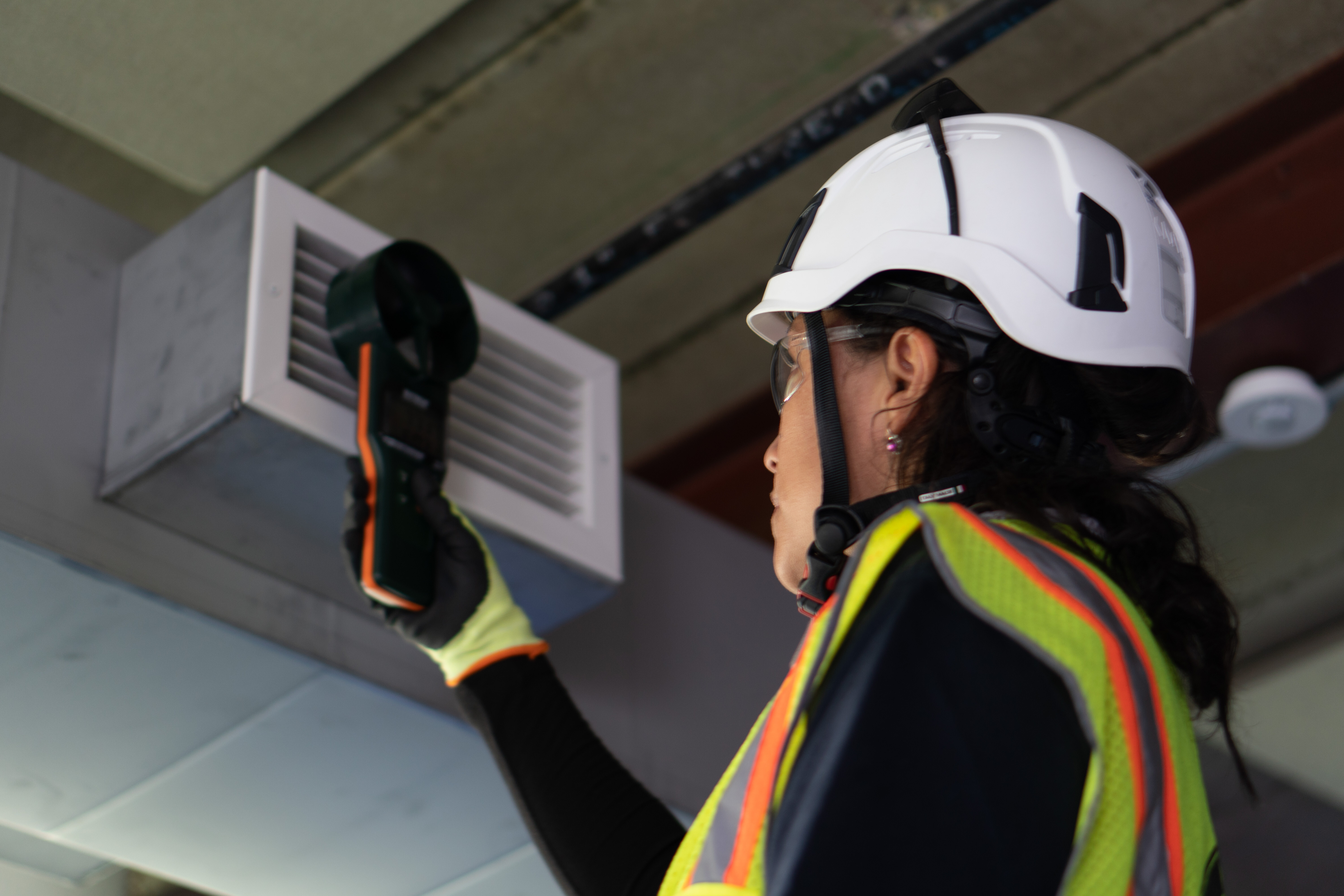
The result can include higher cooling costs, increased heating costs, humidity problems, and occupant discomfort. The BAS may show dampers operating correctly while the actual airflow entering the building tells a different story — which is one reason Testing and Balancing (TAB) remains essential even in highly automated facilities.
4. Equipment Running When Buildings Are Empty
Many facilities schedule HVAC systems based on historical occupancy patterns rather than actual, current usage. Common examples include:
- Air handlers starting several hours too early
- Systems operating overnight unnecessarily
- Weekend operation without occupancy
- Simultaneous schedules running across multiple systems
Because the systems are simply following their programmed schedules, no alarms occur. The BAS sees normal operation. The utility bill tells a different story.
5. Control Sequence Degradation
Control sequences rarely stay optimized forever. Over time, equipment gets replaced, setpoints get adjusted, temporary overrides become permanent, and occupancy patterns change.
Small adjustments accumulate. What was once a high-performing building gradually becomes less efficient — a process often called operational drift, and one of the primary reasons buildings lose performance over time.
Why Building Performance Naturally Declines
Even well-operated facilities experience performance degradation. Changes occur continuously: equipment ages, controls get modified, sensors drift, building usage evolves, tenants change, and occupancy schedules shift.
Most buildings aren't re-evaluated often enough to catch these issues early. The result is a slow decline in efficiency, comfort, and reliability — one that facility teams often don't notice because it happens gradually over several years.
The Difference Between a BAS and Monitoring-Based Commissioning (MBCx)
A BAS collects information. Monitoring-Based Commissioning interprets it.
Think of a BAS as the dashboard in your vehicle. The dashboard tells you your speed, fuel level, and engine temperature. MBCx goes further: it analyzes trends, identifies anomalies, detects inefficiencies, and highlights opportunities for improvement before issues become major problems.
MBCx combines:
- BAS data
- Advanced analytics
- Engineering review
- Continuous performance monitoring
The goal is to transform raw building data into actionable intelligence.
This isn't a marginal improvement. A review by the American Council for an Energy-Efficient Economy (ACEEE) of six leading MBCx programs found that energy savings and peak demand reductions both averaged approximately 9% across the portfolios studied. (Source: ACEEE) A separate DOE-supported study of 24 university buildings that implemented MBCx found a median source energy savings of 11%, with a median simple payback of just 2.5 years. (Source: DOE/OSTI, MBCx Benchmarking Analysis)
How Building Analytics Uncover Hidden Energy Waste
Modern building analytics platforms continuously evaluate thousands of data points. They can identify issues such as:
- Simultaneous heating and cooling
- Excessive equipment runtime
- Poor economizer operation
- Comfort issues
- Pressure control problems
- Scheduling inefficiencies
- Failed control sequences
Many of these opportunities stay hidden for years without analytics. Identifying and correcting them can improve occupant comfort while reducing operating costs.
Why Testing and Balancing Still Matters in an Automated Building
A common myth is that an advanced BAS eliminates the need for Testing and Balancing. The opposite is often true — automation can only manage what has been verified.
Testing and Balancing provides field validation of:
- Airflow
- Water flow
- Pressurization
- Ventilation performance
- System operation
The BAS may report that a system is delivering a specific airflow. TAB confirms whether it actually is. This distinction is particularly important in healthcare facilities, laboratories, pharmaceutical spaces, and other critical environments.
The Most Efficient Buildings Combine Technology with Expertise
The highest-performing facilities don't rely exclusively on automation. They combine:
- Building Automation Systems
- Testing and Balancing
- Retro-Commissioning
- Monitoring-Based Commissioning
- Building analytics
- Ongoing engineering review
Together, these strategies create a continuous improvement process that maximizes building performance.
Conclusion
A Building Automation System is one of the most valuable tools in a facility operator's toolbox. However, data alone doesn't guarantee performance. Many of the issues driving energy waste, occupant complaints, and equipment degradation never trigger an alarm.
Buildings rarely fail overnight. They drift. The facilities that consistently achieve superior performance are the ones that actively monitor, verify, and optimize their systems over time.
If your building's utility costs keep rising, comfort complaints persist, or equipment performance seems inconsistent, the answer may not be another control upgrade. The answer may be uncovering what your BAS isn't telling you.
Request a Monitoring-Based Commissioning assessment and find out what's really happening behind your BAS dashboard.
Frequently Asked Questions
What is a Building Automation System (BAS)?
A Building Automation System is a centralized platform that monitors and controls HVAC, lighting, and other building systems to improve operational efficiency and occupant comfort.
Can a BAS detect all HVAC problems?
No. Many inefficiencies, including simultaneous heating and cooling, sensor drift, and control sequence degradation, may not generate alarms.
What is Monitoring-Based Commissioning (MBCx)?
Monitoring-Based Commissioning is an ongoing process that uses building data, analytics, and engineering expertise to identify and correct performance issues.
Why does building performance decline over time?
Equipment ages, sensors drift, control sequences change, and occupancy patterns evolve. These factors gradually reduce building efficiency if not addressed.
How often should building automation systems be reviewed?
Most facilities benefit from continuous monitoring and periodic engineering reviews to identify performance issues before they become costly problems.
Can building analytics reduce energy costs?
Yes. Building analytics can uncover hidden inefficiencies and operational issues that may significantly impact energy consumption.
Does a BAS replace Testing and Balancing?
No. Testing and Balancing verifies actual field performance and confirms that systems are delivering the airflow and water flow required by design.
What types of buildings benefit most from MBCx?
Commercial office buildings, healthcare facilities, laboratories, pharmaceutical facilities, higher education campuses, and large institutional buildings can all benefit from Monitoring-Based Commissioning.