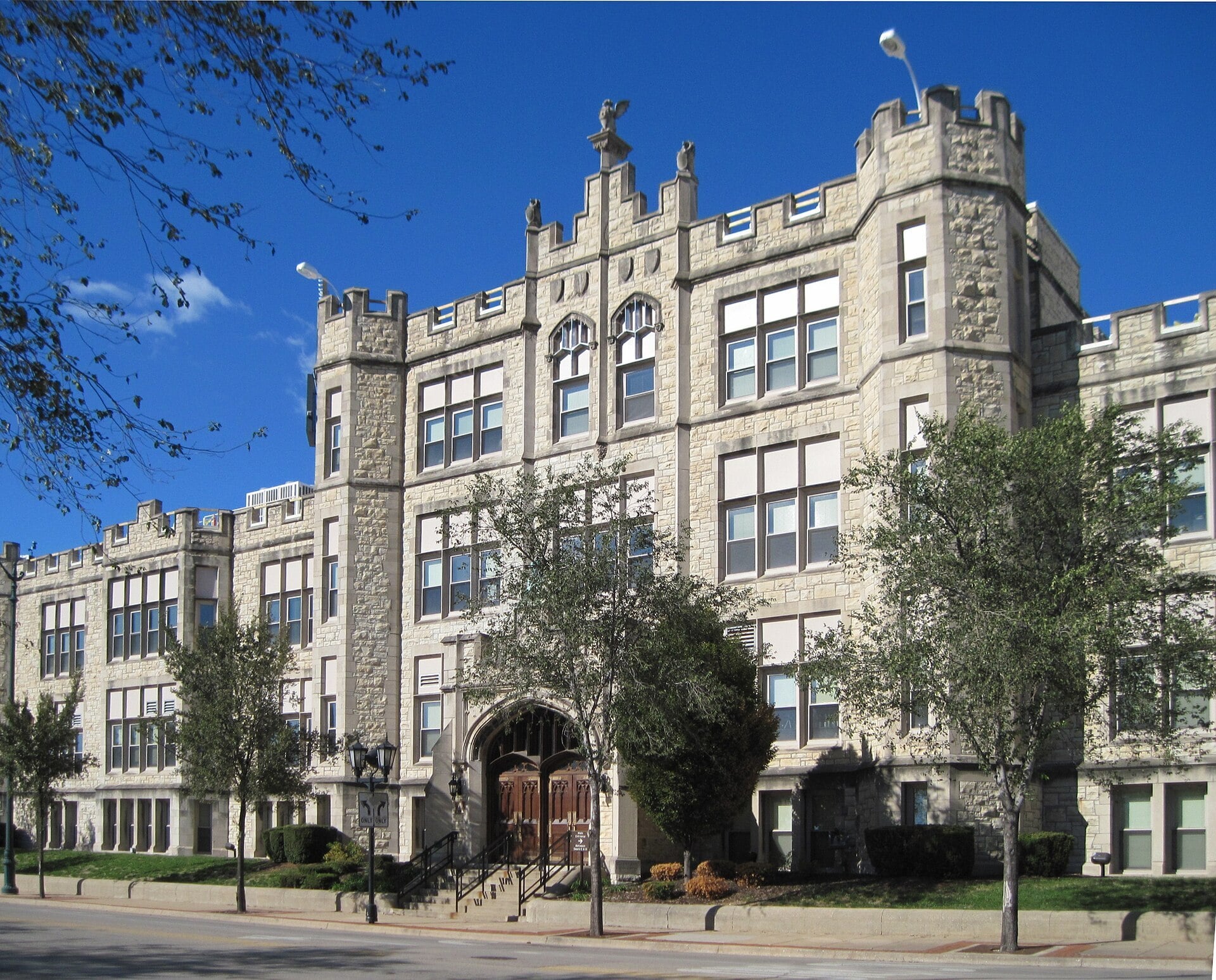

Joliet Central High School cut its facility electricity use by 35.5% through the ComEd Energy Efficiency Program's monitoring-based commissioning (MBCx) offering, with Aero Performance Group leading the work. Restoring occupancy schedules to 21 air handling and rooftop units saved 2,010,323 kWh and 3,839 therms a year, an estimated $225,000 in annual utility costs, with a simple payback under one month before incentives and a project cost fully funded by ComEd.
Project at a Glance
| Detail | Result |
|---|---|
| Facility | Joliet Central High School, School District 204 |
| Location | Joliet, IL |
| Size | Approximately 550,000 square feet across four floors |
| Service | Monitoring-based commissioning (MBCx) through the ComEd Energy Efficiency Program |
| Equipment scheduled | 21 air handling units and rooftop units |
| Verified annual electric savings | 2,010,323 kWh |
| Verified annual gas savings | 3,839 therms |
| Facility electricity reduction | 35.5% |
| Estimated annual utility cost savings | Approximately $225,000 |
| Implementation cost | $17,480, 100% funded by ComEd |
| Simple payback (before incentives) | Under 1 month |
| Timeline | MBCx integration July 2025, implementation October 2025, verification November 2025 |
What Kind of Facility Is Joliet Central?
Joliet Central High School is a large educational campus with approximately 550,000 square feet of conditioned space across four floors. The campus includes general classrooms, science labs, administrative offices, a cafeteria, a field house with athletic areas, and dedicated buildings for the school's Pathways program.
The HVAC system combines constant-volume and variable-air-volume (VAV) air handling units with rooftop units serving zones throughout the campus. A centralized building automation system (BAS) handles scheduling, temperature control, and energy management for spaces ranging from standard classrooms to high-occupancy areas with unique thermal loads.
Schools like this one carry a large share of the nation's building energy costs. According to ENERGY STAR, K-12 school districts spend more than $8 billion a year on energy, more than 30% of that energy goes to waste, and low-cost measures can save about 10%.
What Did the Data Reveal?
Once Aero connected the campus to its MBCx analytics platform, trend data showed every HVAC system running 24 hours a day, seven days a week. Historical ComEd meter data confirmed the pattern had persisted for several years.
Two factors kept the equipment running. The BAS had no integrated scheduling function, so the facility team had no way to set time-of-day control. And according to site personnel, the practice traced back to a coil-freezing incident years earlier, after which a previous operations team disabled schedules and moved to full-time operation as a precaution. That decision protected the coils and carried a steep cost in energy and equipment runtime for years afterward.
How Did Aero and the School Fix It?
The solution addressed both causes. The district's controls contractor added a scheduling tool to the BAS, and Aero worked with the building management team to program custom occupancy schedules aligned with academic and extracurricular activity.
Aero also verified that the BAS included freeze protection sequences to safeguard coils and other critical components during low temperatures. That confirmation removed the original reason for continuous operation and gave the facility team confidence to return to time-of-day control.
During post-implementation observation in extreme cold, the equipment held a new unoccupied space temperature setpoint, protecting the building and preserving comfort without reverting to full-time operation.
What Were the Results?
| Metric | Annual Result |
|---|---|
| Electricity savings (verified) | 2,010,323 kWh |
| Natural gas savings (verified) | 3,839 therms |
| Facility electricity reduction | 35.5% |
| Estimated utility cost savings | Approximately $225,000 per year |
| Equipment returned to scheduled operation | 21 AHUs and RTUs |
| Cost to the district | $0 (100% ComEd-funded) |
HVAC systems now run on programmed occupancy schedules and shut down during unoccupied periods. The project moved from MBCx integration to verified savings in under five months.
"I think every building administrator should utilize the program. Having Aero as a second set of eyes on our building's HVAC operations is invaluable."
Brian Paczesny, Director of Building and Grounds, School District 204
What Can Other School Districts Take from This Project?
Three lessons apply to most K-12 campuses:
- Old workarounds deserve a second look. A precaution adopted after a single coil-freeze event drove years of 24/7 operation, and verified freeze protection made it safe to retire.
- Meter data tells the story fast. Comparing BAS trends with historical utility data confirmed how long the problem had persisted and sized the opportunity before any work began.
- Utility programs can cover the cost. ComEd funded 100% of the $17,480 implementation, so the district captured the savings with no capital outlay.
Frequently Asked Questions
What is monitoring-based commissioning (MBCx) for schools?
Monitoring-based commissioning (MBCx) is a continuous commissioning process in which engineers analyze trend data from a school's building automation system to find and correct HVAC inefficiencies. For K-12 campuses with varied academic, athletic, and extracurricular schedules, MBCx identifies equipment running outside occupied hours and verifies savings after changes are made.
How much energy did Joliet Central High School save?
Joliet Central High School saved 2,010,323 kWh and 3,839 therms per year in verified savings, a 35.5% reduction in facility electricity use, equal to an estimated $225,000 in annual utility costs. The savings came from restoring occupancy schedules to 21 air handling units and rooftop units that had been running 24 hours a day.
Why were the school's HVAC systems running 24/7?
The building automation system had no integrated scheduling function, and a previous operations team had disabled schedules after a coil-freezing incident years earlier. Running equipment around the clock protected the coils and produced years of unnecessary energy use and equipment runtime.
How did the school prevent coil freezing after returning to scheduled operation?
Aero verified that the building automation system included freeze protection sequences for coils and other critical components. During extreme cold, the equipment maintained a new unoccupied space temperature setpoint, protecting the building without returning to full-time operation.
How much did the MBCx project cost Joliet Central High School?
The implementation cost was $17,480, including school district labor and controls contractor labor, and the ComEd Energy Efficiency Program funded 100% of it. Before incentives, the project's simple payback was under one month.
Where to Start
School districts carry long operating hours, varied schedules, and tight budgets, and utility-funded MBCx can deliver verified savings with no capital outlay. Aero Performance Group's monitoring-based commissioning services pair continuous data analysis with field verification to find what your building automation system may be missing and confirm the savings.