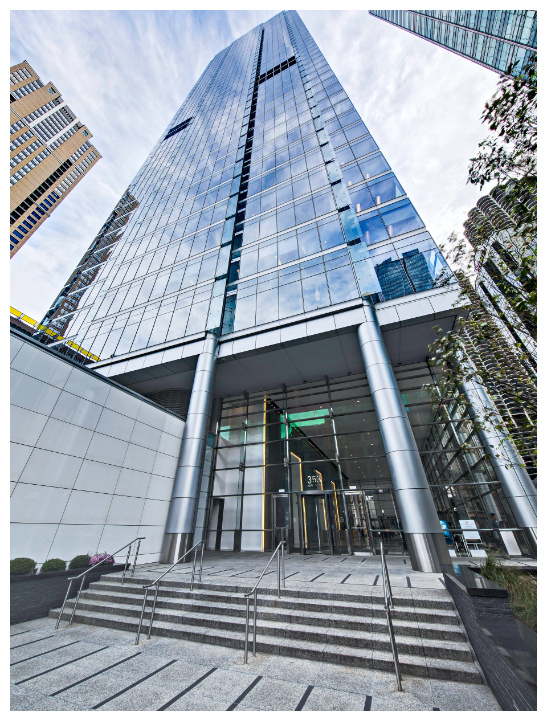


A 300-bed Chicago hospital cut its annual utility costs by $539,785 through Aero Performance Group's utility-funded monitoring-based commissioning (MBCx) program. Aero implemented 27 energy conservation measures over six and a half years for a total project cost of $29,561, a payback period of less than one month.
Project at a Glance
| Detail | Result |
|---|---|
| Building type | Acute care hospital, approximately 300 beds |
| Size | Over 1,000,000 square feet |
| Location | Chicago, IL |
| Year built | 2012 |
| Service | Utility-funded monitoring-based commissioning (MBCx) |
| Implementation period | October 2015 to March 2022 |
| Energy conservation measures | 27 |
| Verified annual electric savings | 3,067,507 kWh |
| Verified annual gas savings | 579,218 therms |
| Verified annual utility cost savings | $539,785 |
| Project cost | $29,561 |
| Payback period | Less than 1 month |
What Kind of Facility Was This?
The hospital covers more than one million square feet and operates around the clock with approximately 300 patient beds. Under one roof it houses emergency, inpatient, outpatient, and diagnostic and treatment departments, along with physician offices, administrative areas, and a large commercial space.
Facilities like this one carry some of the heaviest energy loads in the commercial building sector. According to the U.S. Energy Information Administration's 2018 Commercial Buildings Energy Consumption Survey, inpatient health care buildings use 193.3 thousand Btu per square foot, and they have the highest space heating and ventilation intensities of any commercial building type. In a facility that size, small operational drifts add up to large dollar figures.
Why Did the Hospital Move from Retro-Commissioning to MBCx?
The building opened in 2012 and had already been through retro-commissioning with another provider. Retro-commissioning delivered a point-in-time tune-up. What the building still needed was long-term study of its HVAC systems to optimize year-round performance across seasons, occupancy changes, and equipment wear.
The hospital contracted Aero to move the building into the utility-funded MBCx program with two goals: further reduce its energy use and environmental footprint, and work toward ENERGY STAR certification. MBCx keeps the building under continuous observation, so Aero's engineers analyze trend data from the building automation system month after month and act on what the data shows.
How Did Aero Find the Savings?
Between October 2015 and March 2022, Aero identified and implemented 27 energy conservation measures (ECMs) through ongoing analysis of the building's HVAC operation. Each measure was verified against measured performance, and the savings figures in this case study reflect verified annual results.
One of the clearest examples came from the terminal unit level. Over 18 months, Aero's VAV box performance reports flagged hot water reheat valves leaking through inside individual variable air volume (VAV) boxes. A leaking reheat valve heats air the system has already cooled, and in most cases it had no effect on patient comfort. Because these valves rarely trigger an alarm, they can run unnoticed for years. Aero estimated each leaking valve was costing the hospital between $500 and $1,000 a year in wasted energy.
With the list of leaking valves in hand, the hospital's facility team built a preventive maintenance plan, replaced the leaking valves, and continues to use the reporting to replace additional valves as they surface.
What Were the Results?
| Metric | Verified Annual Result |
|---|---|
| Electricity savings | 3,067,507 kWh |
| Natural gas savings | 579,218 therms |
| Utility cost savings | $539,785 |
| Project cost | $29,561 |
| Payback | Less than 1 month |
The improvements showed up at the whole-building level. The hospital used 3% less energy in 2021 than in 2015, while operating with more than 10% more patient beds. Electric and natural gas consumption both improved, which means the hospital grew its patient capacity and lowered its total energy use at the same time.
What Can Other Hospitals Take from This Project?
Three lessons carry over to most health care facilities:
- Retro-commissioning is a strong start, and continuous monitoring is what keeps the savings growing. This hospital had already been retro-commissioned, and MBCx still uncovered $539,785 in annual savings.
- Terminal units deserve attention. Hundreds of VAV boxes each drifting a small amount produce a large combined cost, and box-level reporting turns that into an actionable maintenance list.
- Utility-funded programs change the math. Program funding kept the project cost at $29,561, which produced a payback measured in weeks.
Frequently Asked Questions
What is monitoring-based commissioning (MBCx) for hospitals?
Monitoring-based commissioning (MBCx) is a continuous commissioning process in which engineers analyze trend data from a hospital's building automation system on an ongoing basis to find and correct HVAC inefficiencies. For hospitals, which run around the clock and carry high heating and ventilation loads, MBCx identifies savings that a one-time retro-commissioning study can miss.
How much did this Chicago hospital save with MBCx?
The hospital achieved verified annual savings of $539,785, made up of 3,067,507 kWh of electricity and 579,218 therms of natural gas. The total project cost was $29,561, a payback period of less than one month.
How long did the hospital's MBCx program take to produce results?
Aero implemented 27 energy conservation measures between October 2015 and March 2022. Savings were verified on an annual basis, and the hospital used 3% less energy in 2021 than in 2015 while operating with more than 10% more beds.
Why do leaking VAV reheat valves matter in a hospital?
A leaking hot water reheat valve in a VAV box heats air the system has already cooled, wasting both heating and cooling energy. Aero estimated each leaking valve cost this hospital between $500 and $1,000 per year. Because leaking valves rarely affect patient comfort or trigger a building automation alarm, box-level analysis is the most reliable way to find them.
Can a hospital that already completed retro-commissioning still benefit from MBCx?
Yes. This hospital had completed retro-commissioning with another provider before joining the MBCx program, and continuous monitoring still produced $539,785 in verified annual savings. Retro-commissioning tunes a building at one point in time, while MBCx keeps optimizing performance as seasons, occupancy, and equipment conditions change.
Where to Start
Hospitals carry energy loads and operating hours that reward continuous attention, and utility-funded programs can make the investment pay back in weeks. Aero Performance Group's monitoring-based commissioning services pair continuous data analysis with field verification to find, implement, and verify savings in critical environments like this one.